Zoopharmacognosy for Dogs and Companion Animals
A behaviour-led approach to supporting animal wellbeing
Living alongside animals often means making many decisions on their behalf: what they eat, where they walk, how their care is managed. Zoopharmacognosy invites a different dynamic, one that recognises our animal companions as active participants in their own wellbeing.
By offering appropriate plant constituents and gently observing how each individual animal chooses to engage, we begin to listen more closely to their innate sensory intelligence. Animals possess an inherent ability to detect and select the plant compounds their bodies are drawn to, and when given the opportunity, they guide the process through their behaviour.
In this way, the relationship between guardian and animal becomes more collaborative. Rather than deciding everything for them, we begin to observe, listen, and learn from the animal in front of us, allowing their responses to help shape how we support them.

What Zoopharmacognosy is
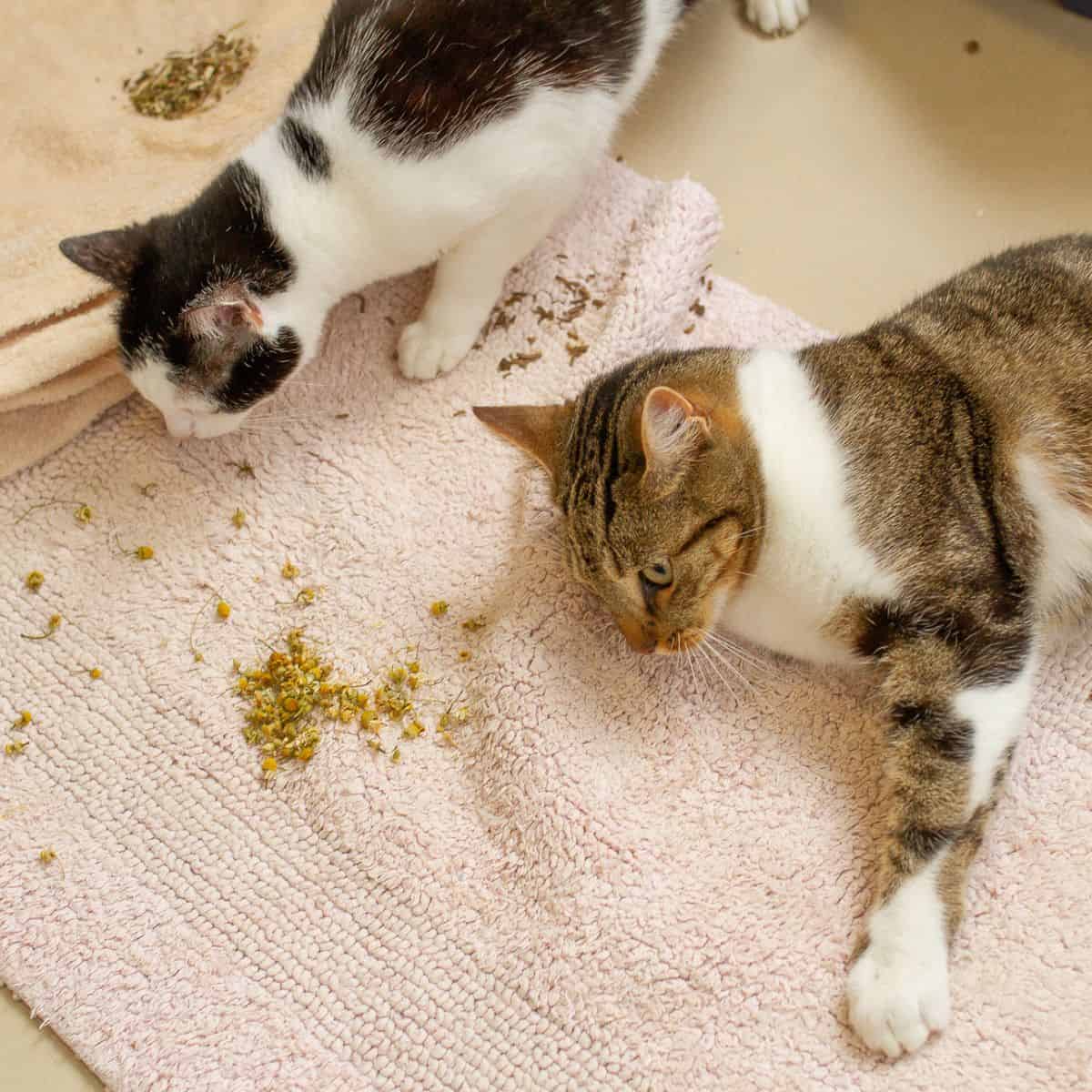
Zoopharmacognosy is the term used to describe the innate ability animals have to self-medicate through the selective use of plant constituents.
In the wild, animals encounter a wide range of plants, minerals, clays and algae through foraging and exploration. Through these interactions, they engage with plant compounds that can support their physical and emotional wellbeing.
Our companion animals, living alongside us, rarely have access to that same diversity. Zoopharmacognosy sessions simply create the opportunity for them to interact with appropriate plant constituents again, while we observe how they respond and what they choose.
"I’ve worked with Rachel for my terriers both in person and online, and the self-selection process has been invaluable. Merlin was supported through grief after losing his companions, and Ripley is coping far more comfortably with her seasons. I only wish I’d discovered Rachel’s work sooner. Five stars”
Joe Nutkins Dog training and canine fitness
Why choice matters
Our companion animals depend on us for many aspects of their lives. While this partnership brings safety and care, it also means that many decisions affecting their wellbeing are made on their behalf.
Zoopharmacognosy introduces something that is often missing in domestic life: choice.
When animals are offered appropriate options and allowed to engage freely, they often show clearly what they are drawn to and what they are not. Subtle shifts in behaviour reveal what feels supportive for them in that moment.
For many guardians, this moment marks a profound shift in the relationship. Rather than making every decision for their animal, they begin working with them, observing and responding to the choices their animal companion expresses.
It becomes a true partnership, where guardians learn to listen and be guided by their animals.
Self-Medication in the Natural World
Self-medicative behaviour in animals has been documented across many species.
Chimpanzees swallow particular plant leaves to help expel intestinal parasites. Birds have been observed performing “anting”, rubbing ants through their feathers to access formic acid, which may help reduce parasites. Elephants seek out mineral-rich soils and clays, while some caterpillars selectively consume plants containing compounds that protect them from infection.
Animals have been engaging with plants, clays and natural compounds in this way for millennia; we are simply beginning to observe and document it more closely.
Our companion animals still carry this same innate ability. However, through domestication and the environments we provide, their opportunity to encounter the same diversity of plants and natural materials is far more limited.
A different way of looking at behaviour
When our animal family struggle, we often reach for familiar labels such as anxiety, reactivity, greedy, needy, stubborn. These descriptions do not always tell the whole story.
Each animal is an individual navigating life within the environment and routines we provide. Behaviour and physical signs may sometimes be ways of expressing discomfort or an imbalance.
Zoopharmacognosy does not replace veterinary medicine, training or bodywork. Instead, it sits alongside these disciplines and offers another perspective, allowing us to observe what animals choose when they are given appropriate options.
The bigger picture
One Staffordshire Bull Terrier I worked with had been described as ‘hyperactive’ and ‘anxious’. He was constantly moving, chewing and barking, and rarely seemed able to settle.
During the session he responded strongly to nutrients and minerals that support the nervous system, but he also selected botanicals known for their analgesic and anti-inflammatory properties. This raised the possibility that something more than anxiety might be present.
As the session continued, his body began to soften and relax. For the first time, his guardians watched him lie down and rest during the day.
The patterns he showed prompted further investigation with their veterinary surgeon, where he was later diagnosed with spondylosis. Once treated appropriately, his behaviour changed significantly.
The session did not diagnose the condition. What it did do was shift the question from “why is this dog anxious?” to “could something else be going on for him?”
How a zoopharmacognosy session works
Sessions create a calm environment in which animals can explore a range of plant constituents while guiding the process through their behaviour.
This process is often referred to as self-selection, where animals indicate their preferences through scent exploration, ingestion, requests for topical application, or by simply moving away.
Plant extracts such as essential oils, hydrosols, macerates, dried herbs and nutritional powders may be offered.
Throughout the session, the animal’s responses guide what happens next. They lead. My role is simply to observe and support the process as it unfolds.

What this work is (and what it isn’t)
This work:
Allows animals to guide what they need from a selection of botanicals
Creates a collaborative process between guardian and animal
Sits alongside veterinary and behavioural care
This work is not:
Veterinary diagnosis or treatment
A method for forcing remedies onto animals
Instead, it offers another way of observing and supporting animals within the care they already receive.
About Rachel
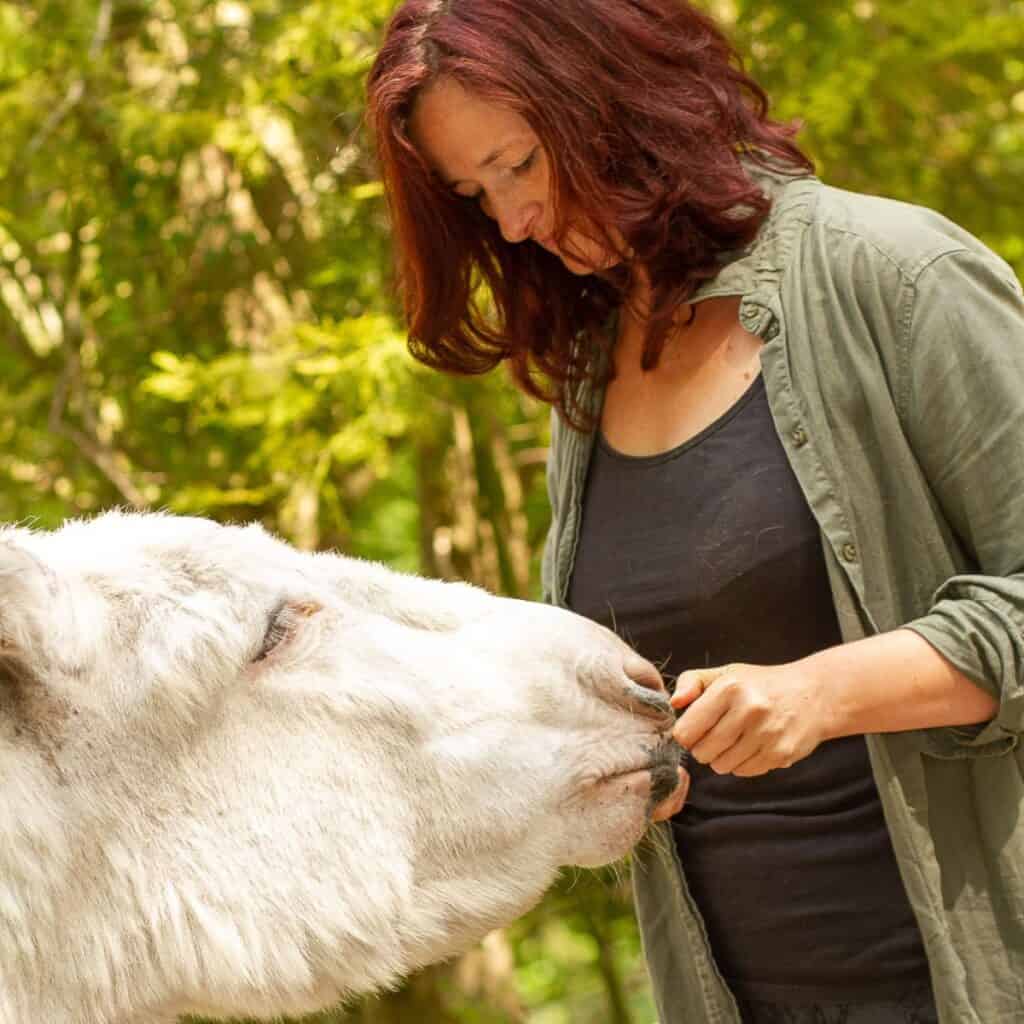
I have worked with animals for over 26 years and have been practising zoopharmacognosy for more than 14 years.
My work focuses primarily on dogs, as well as horses and cats, and includes consultations, workshops and mentorship for those wishing to deepen their understanding of this approach.
Clients often describe my work as calm, collaborative and deeply attentive to the animal in front of us.
Ways to Work with Me:
1:1 Zoopharmacognosy Sessions
Individual sessions for guardians and their animals.
Workshops and Talks
Educational sessions for guardians, trainers and therapists.
Practitioner Mentorship
One-to-one support for those wishing to develop their facilitation skills.
Zoopharmacognosy invites us into a different relationship with our animals, one where we slow down, observe more closely, and begin listening to what they are already showing us.
When animals are given appropriate plant constituents and the freedom to engage with them, their responses begin to guide how we support their wellbeing.
In this way, care becomes a collaboration, a partnership where guardians learn to listen and work with the innate intelligence their animals already possess, allowing their animals to take an active role in their own wellbeing.
Ready for a Zoopharmacognosy 1:1
A one-to-one session offers your animal the opportunity to explore a range of carefully selected plant constituents and guide the process through their behaviour.
By observing how they interact, what they choose, and what they decline, we gain insight into what may be supportive for them in that moment.
Book a session and discover what your animal shows when they are given the freedom to choose.