
How to Offer: A guide to offering plant extracts
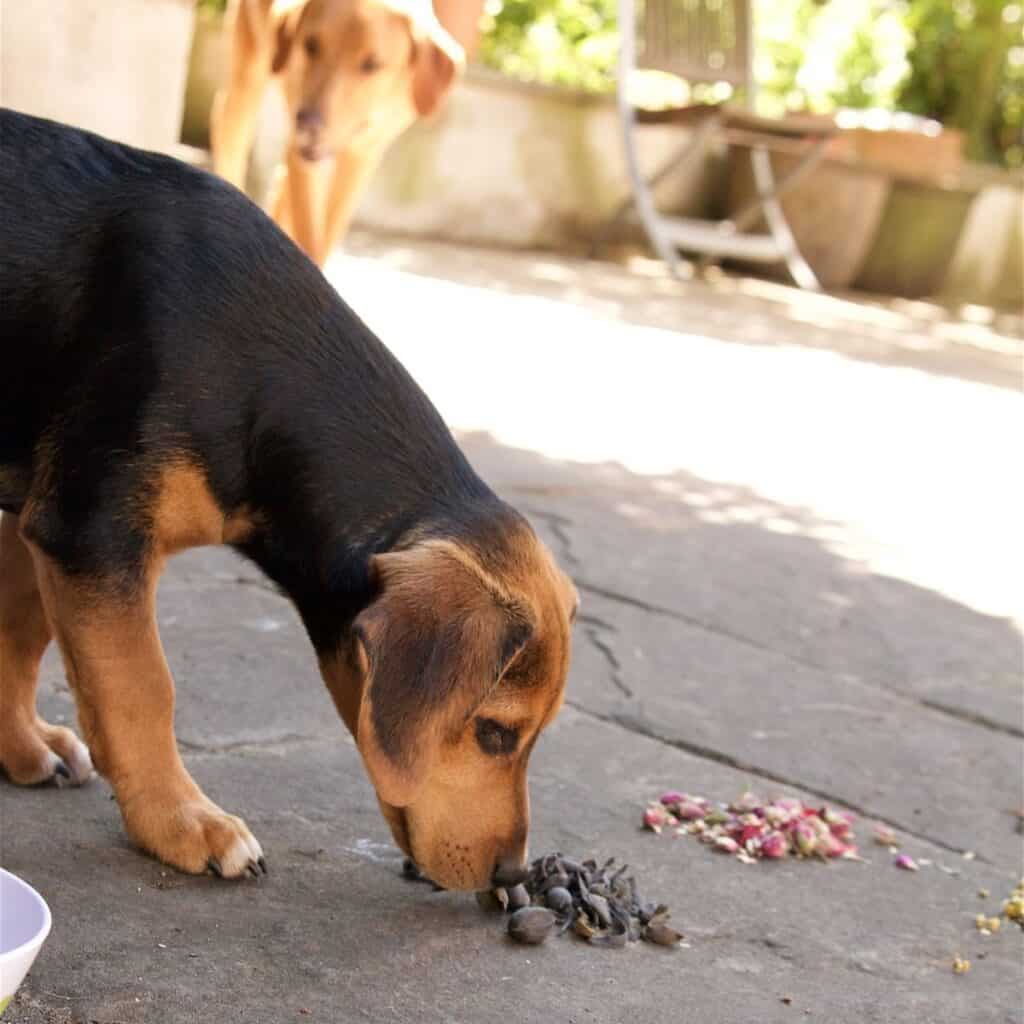
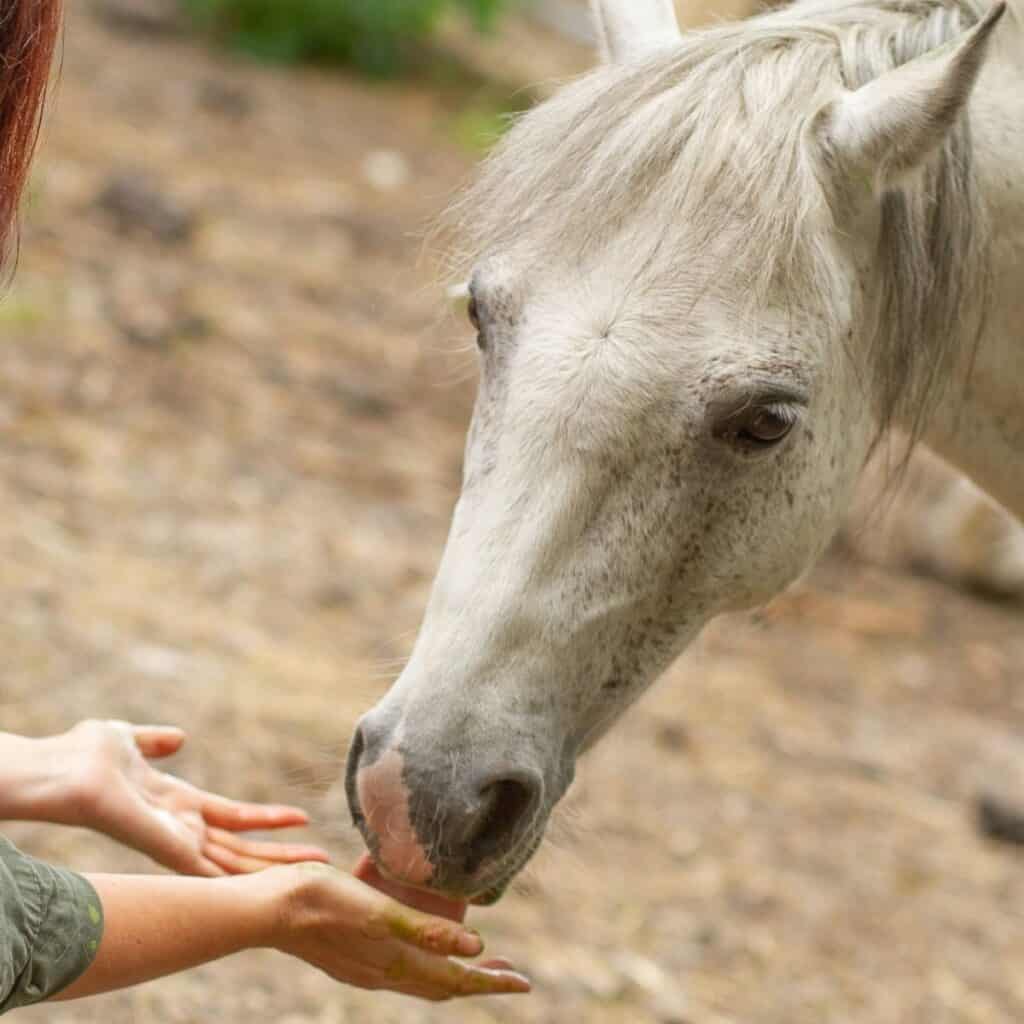
Watching an animal choose their own plant medicine is one of the most extraordinary things you will ever witness.
Zoopharmacognosy, or self-selection, is the practice of offering your animal companion a range of plant extracts and allowing them to guide the entire process. They choose what they need, how much, and when they’ve had enough. You simply offer, observe and follow their lead.
This information is a general guide to help you get started at home. It is not a substitute for a 1:1 session with a Zoopharmacognosy practitioner or veterinary medicine.
“I can always tell when I've used a good quality essential oil in my treatments as the aroma lasts for hours afterwards. The energy and aromas of these oils are delicious and vibrant. I wouldn't buy oils anywhere else now I have found My Animal Matters. Excellent quality and great ethos with the tree planting campaign."
Annette Rainbow - Aromatherapist and massage therapist.
Before you begin
Choose a time when you’re not rushed and you can be fully present. For dogs and cats, a familiar room where you’re both at ease works well. For horses, their stable or a paddock is ideal. Somewhere they have room to move freely.
Good ventilation matters as their sense of smell is vastly more powerful than ours. The molecules of an essential oil are in the air the moment the lid comes off, even from across the room so make sure they can always move away if they want to.
The art of offering
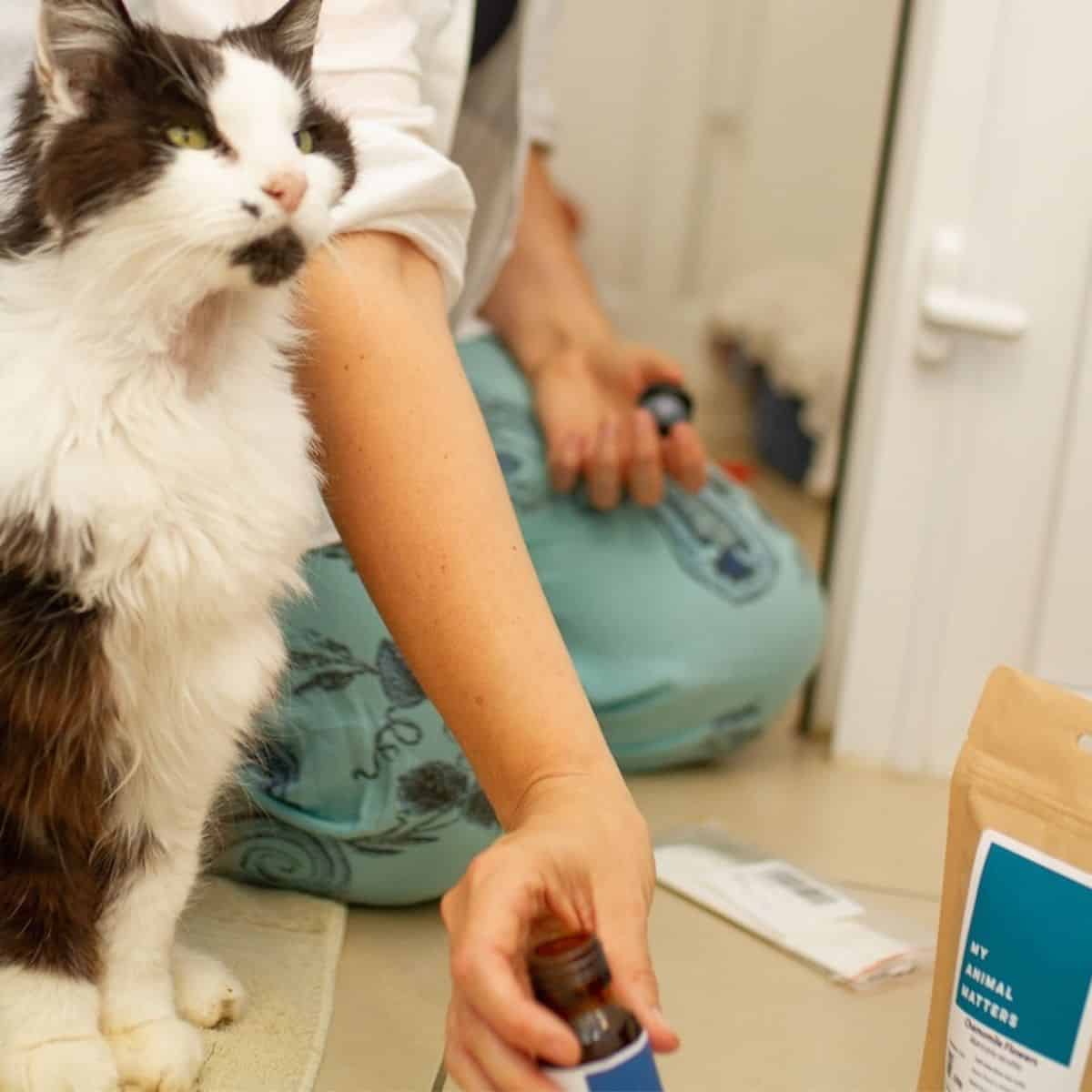
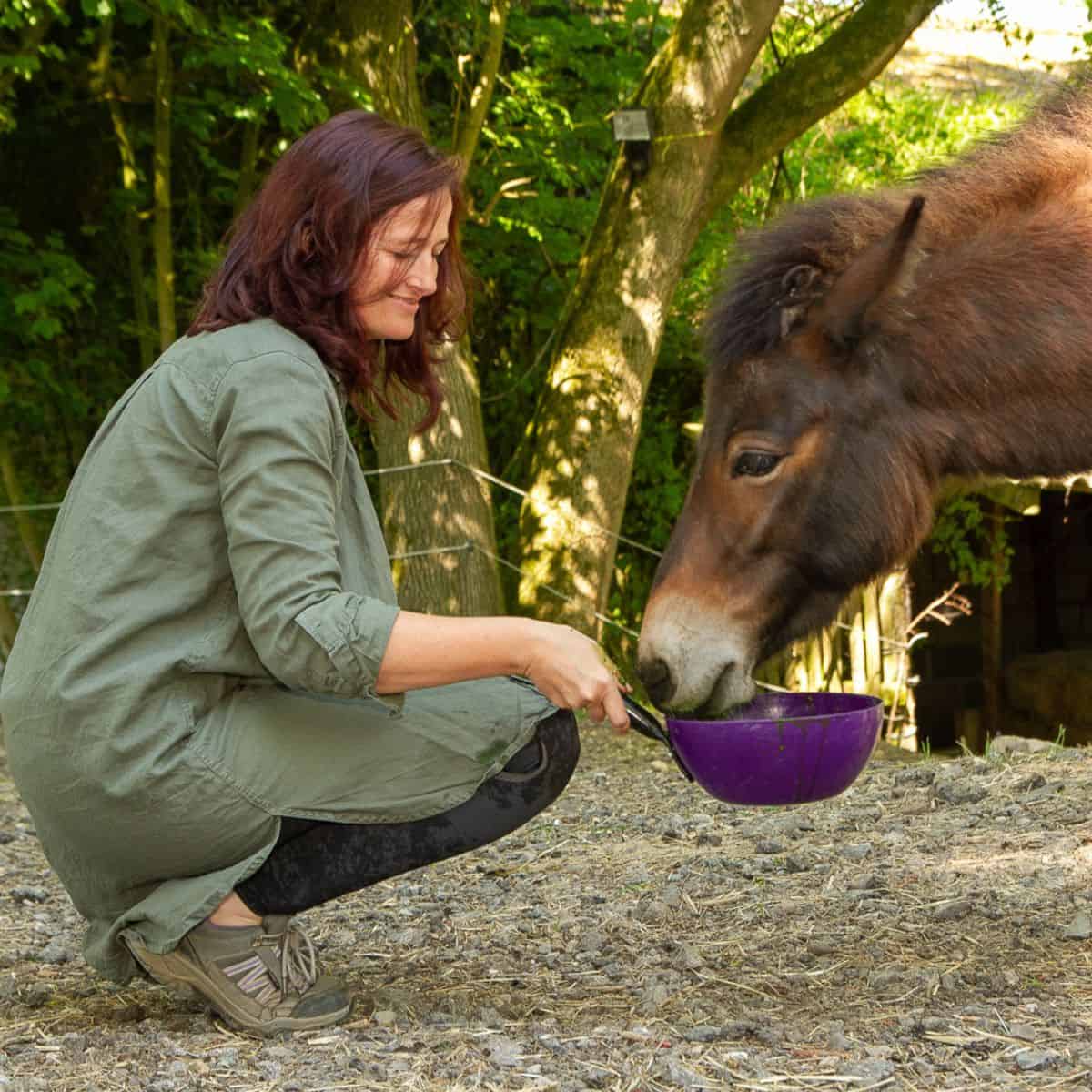
This is not about dosing or administering. It is about being present as you offer and observe and respecting every response your animal gives you, including the ones that mean ‘no’.
Always let them choose to come closer or move away. If they move away, respect their choice and their space.
Do not add the plant extracts to their food as this removes their ability to guide what they need. Adding to their food means they may be taking something they no longer need, or it’s the incorrect amount. And it could then mean they don’t eat their food.
What ‘yes’ may look like
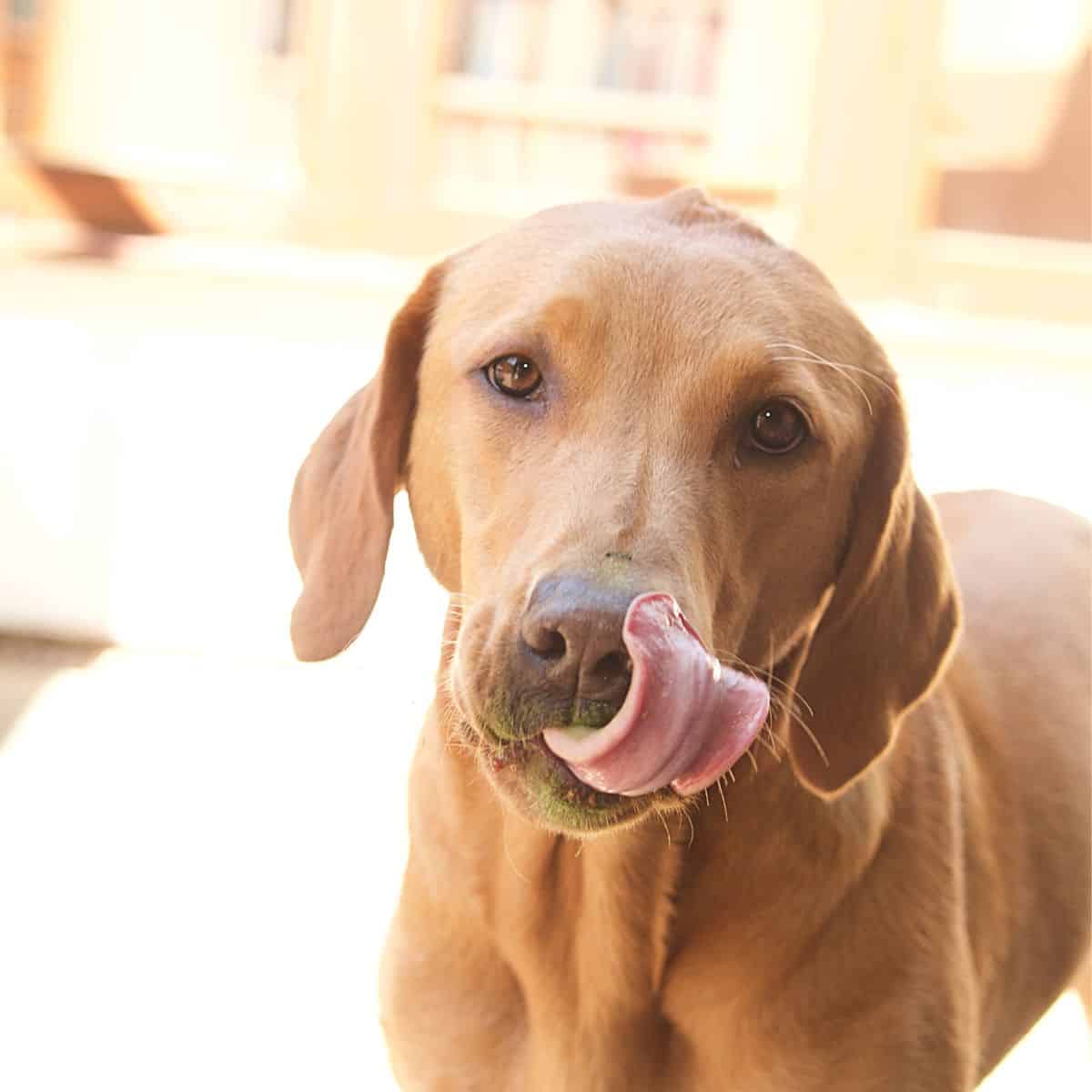
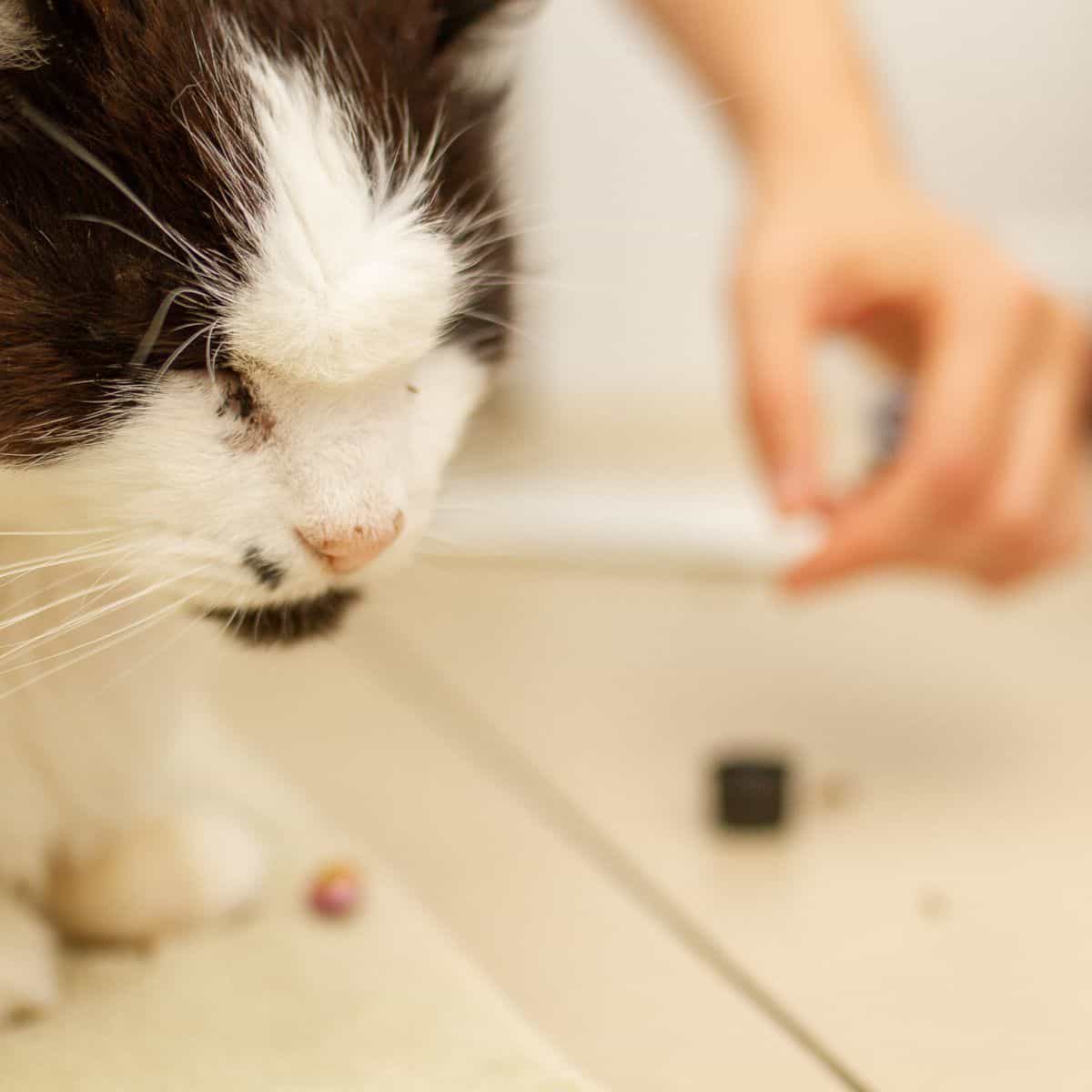
Every animal is different, but some common signs that your animal is engaging with a plant extract include:
- A trance-like stillness or softening of the body
- Licking their lips, yawning or sighing
- Flaring nostrils and deep, slow inhalation
- Lying down or sitting down from standing
- Eyes closing or softening
- Stretching, change in breathing, purring (cats)
- Chewing or flehmen response (horses peeling the lips back)
- Following the bottle with their eyes if you move it away
They may also move away to find a comfortable spot to process what they’ve inhaled and still be very much engaged. If you move the bottle away and they follow it with their eyes or nose, continue to let them inhale.
What ‘no’ looks like
If your animal walks away and shows no further interest, or actively turns their back on the extract, that is a clear no. Put the lid back on and remove the extract.
Sometimes they will move away briefly to process what they’ve just explored and then return again so do give them time to process.
How to offer each type of extract: Essential oils
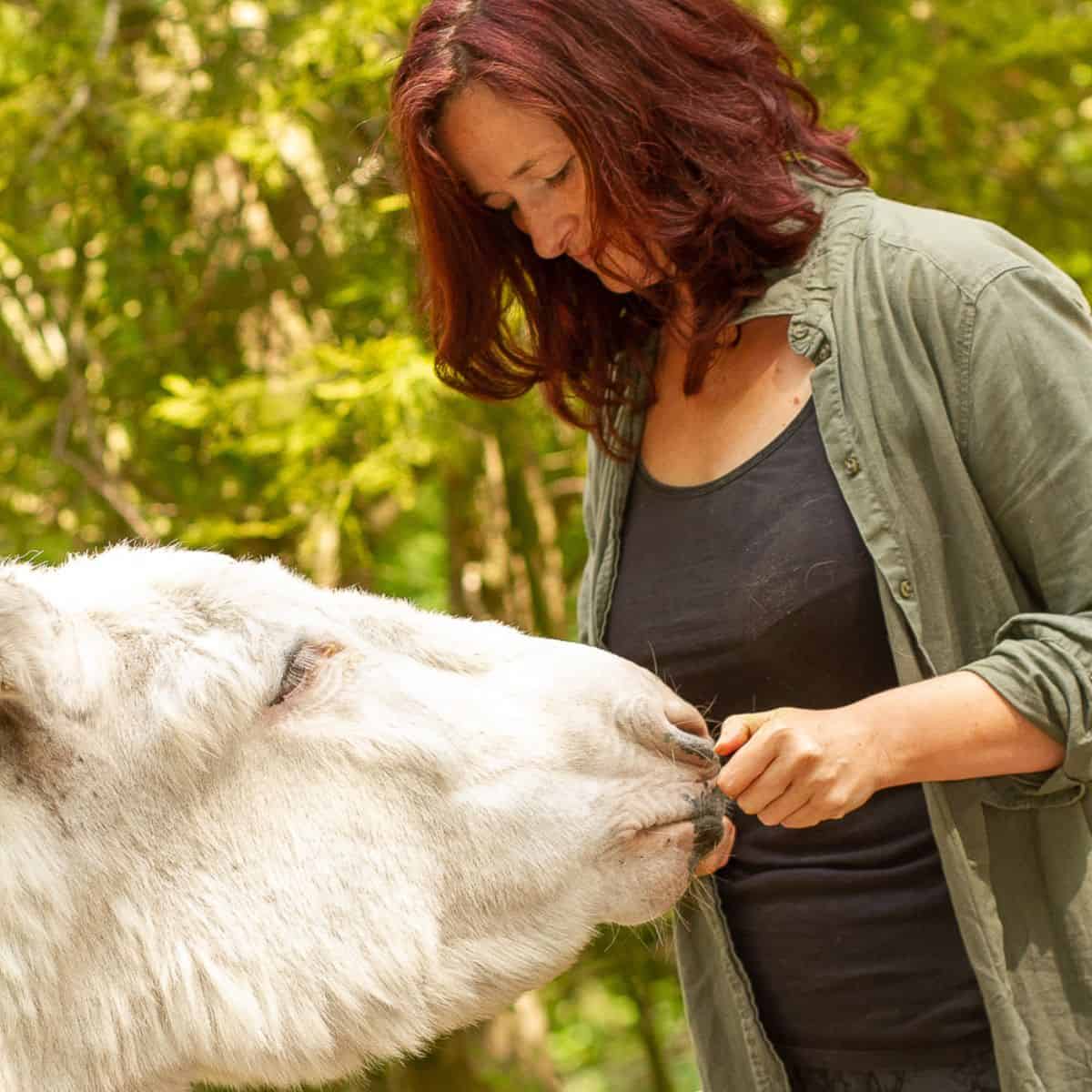
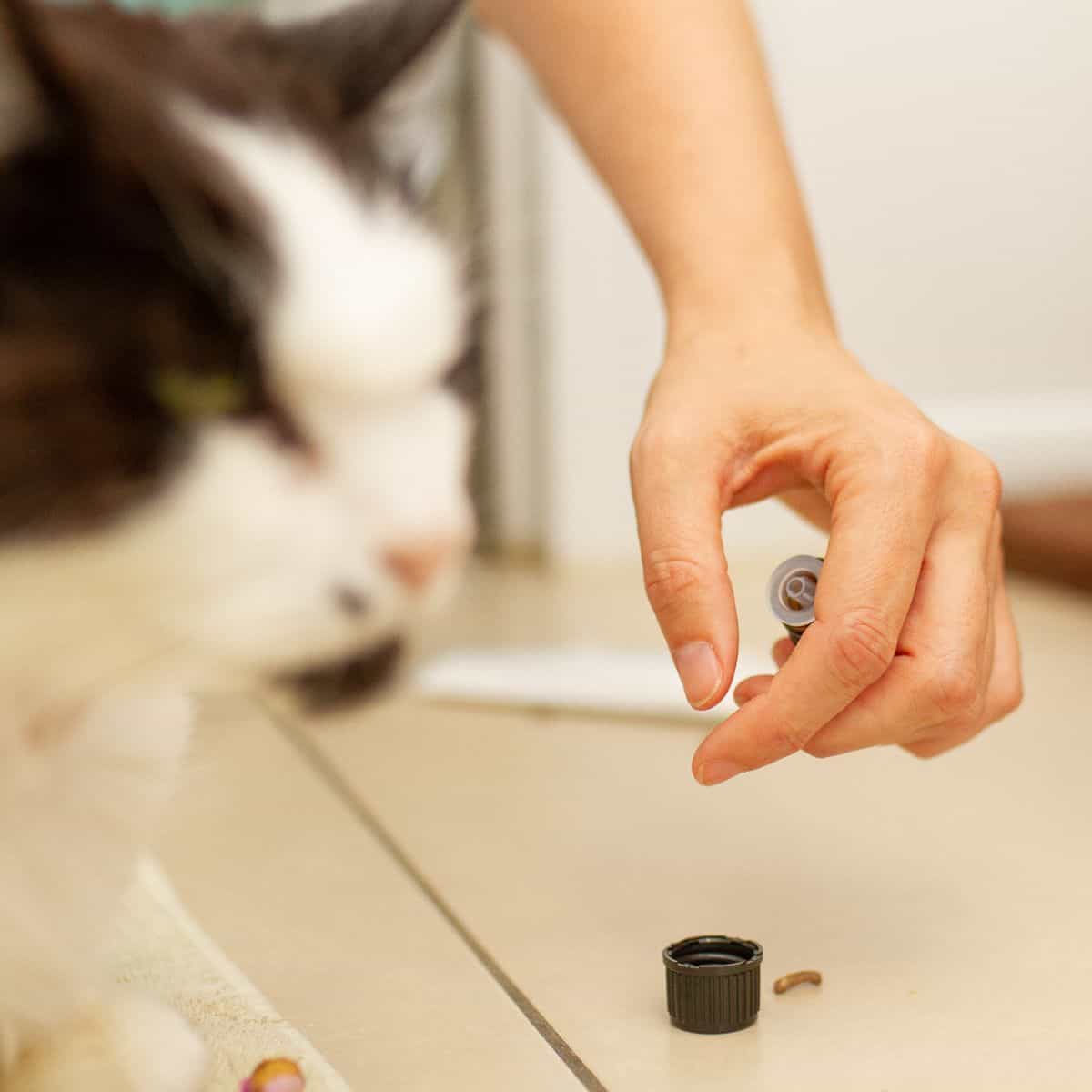
Hold the bottle firmly and completely in your hand as some animals, particularly dogs and horses, may try to mouth the bottle to indicate they’d like to take the oil internally. Keep glass bottles fully enclosed in your hand so they can’t nibble the top.
Remove the lid and hold the bottle or the lid one to two metres away Wait and observe their responses.
If there is no ‘no’ response, slowly bring the bottle a little closer and observe again. If they turn their head away at any point, stay where you are as this is their optimum distance.
How to offer each type of extract: Hydrosols
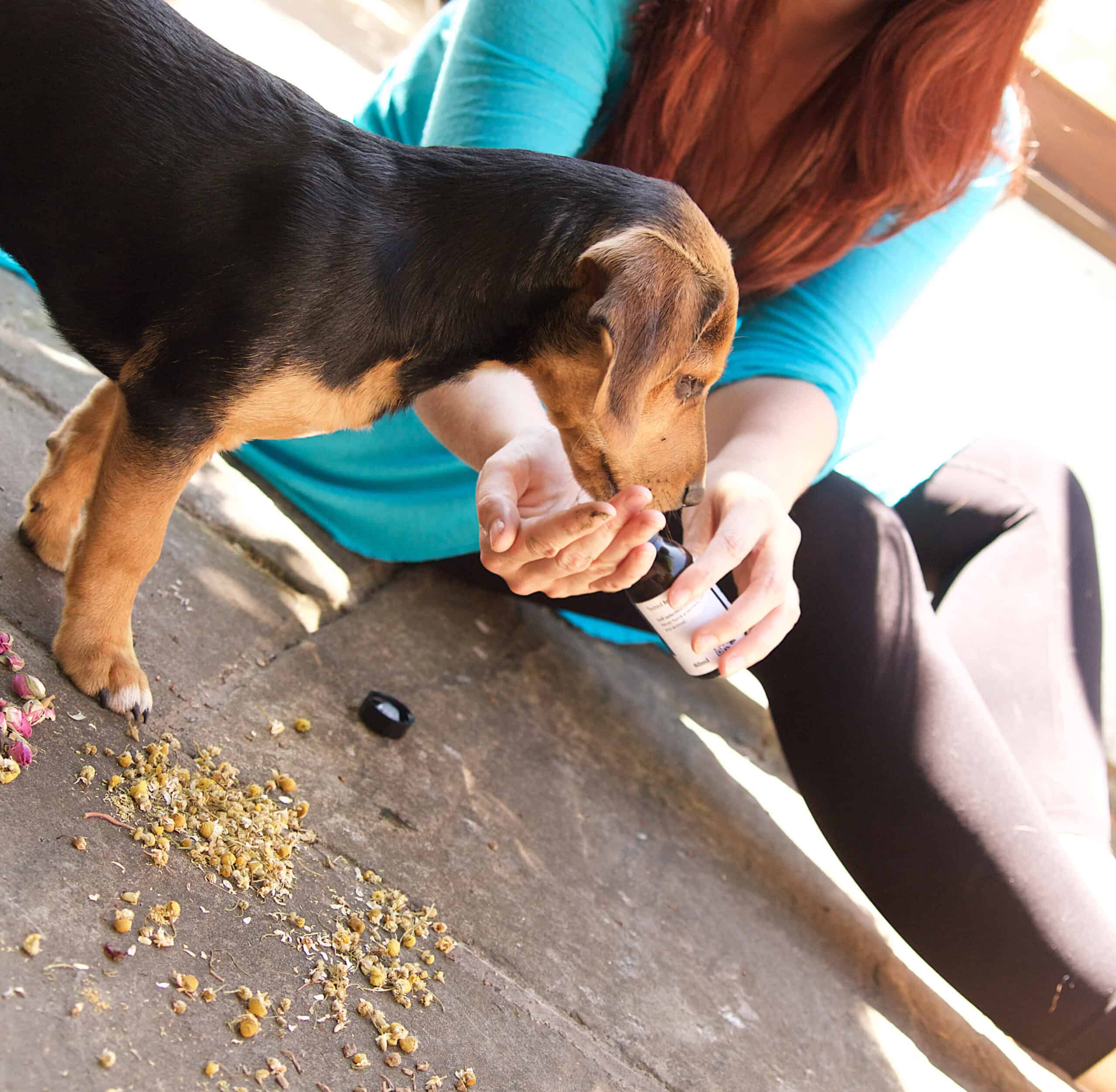
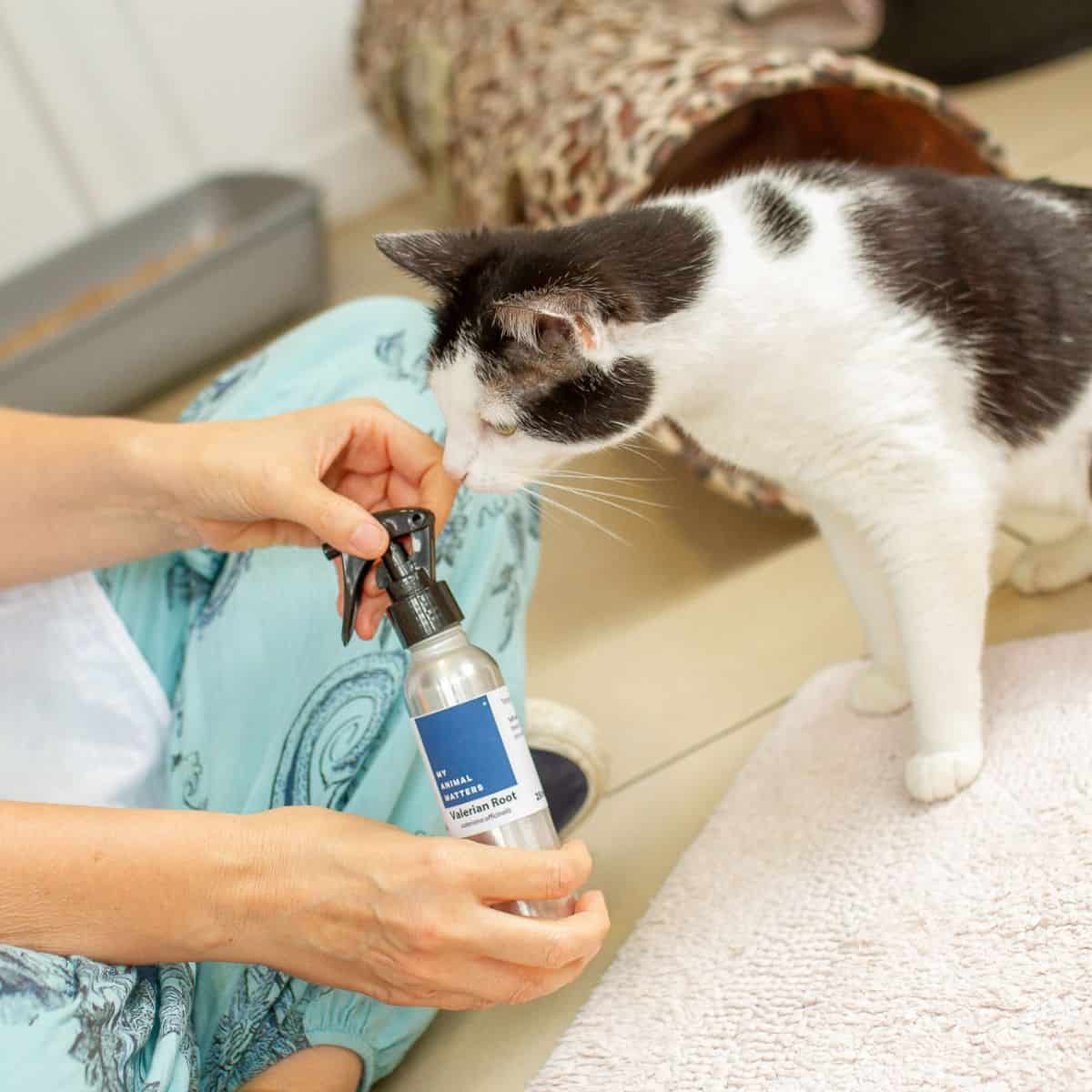
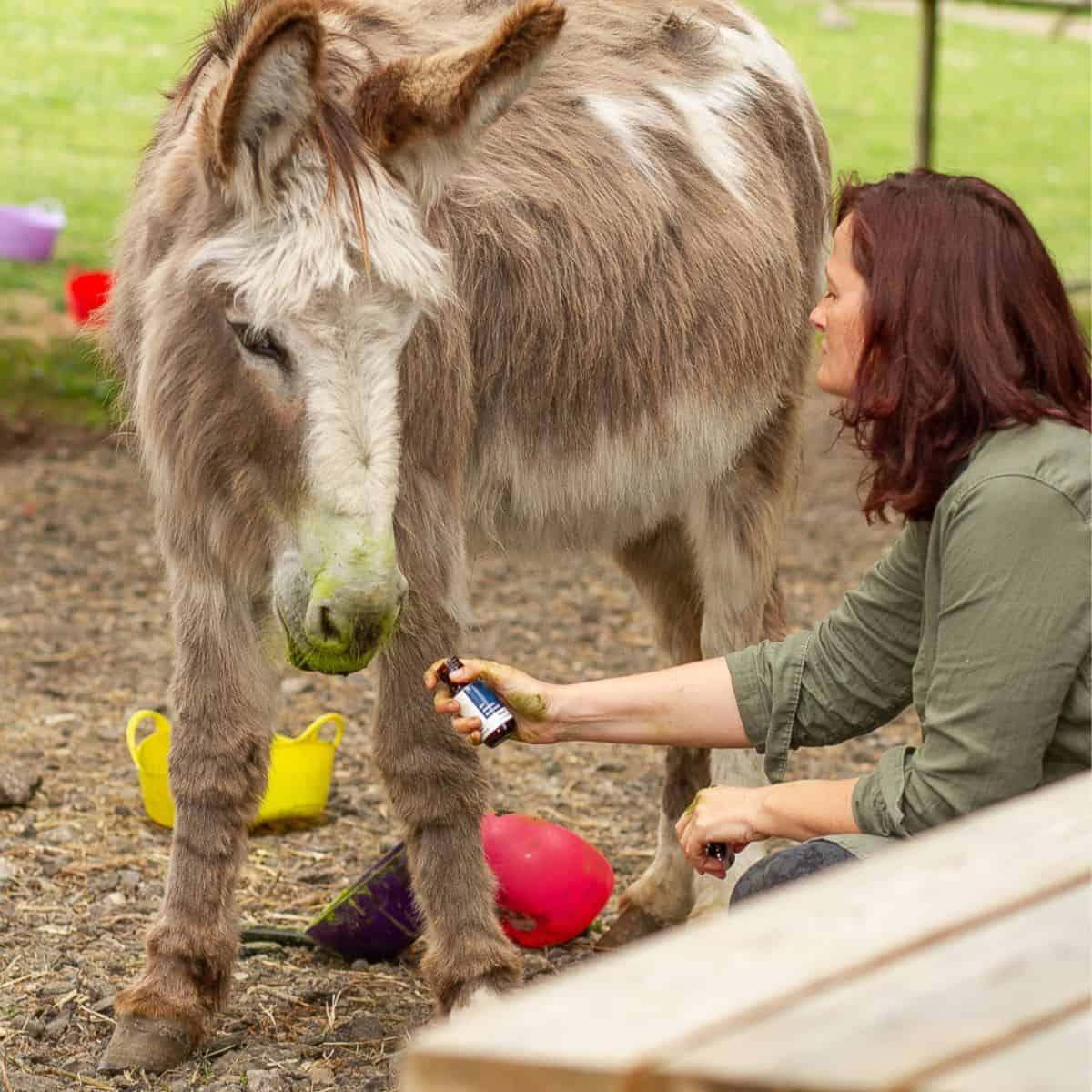
Hold the bottle firmly and remove the lid, offering from about a metre away, or pour a little into the palm of your hand.
If they show interest and lick at the bottle, pour a little into your palm and let them lick. If they rub their head on the bottle or your hand, spray some onto a piece of unscented cloth so they can choose to roll in the aroma.
Cats can lick, roll in and inhale hydrosols freely. Unlike essential oils, hydrosols contain no concentrated chemical constituents, and many cats prefer them.
How to offer each type of extract: Dried herbs and powders
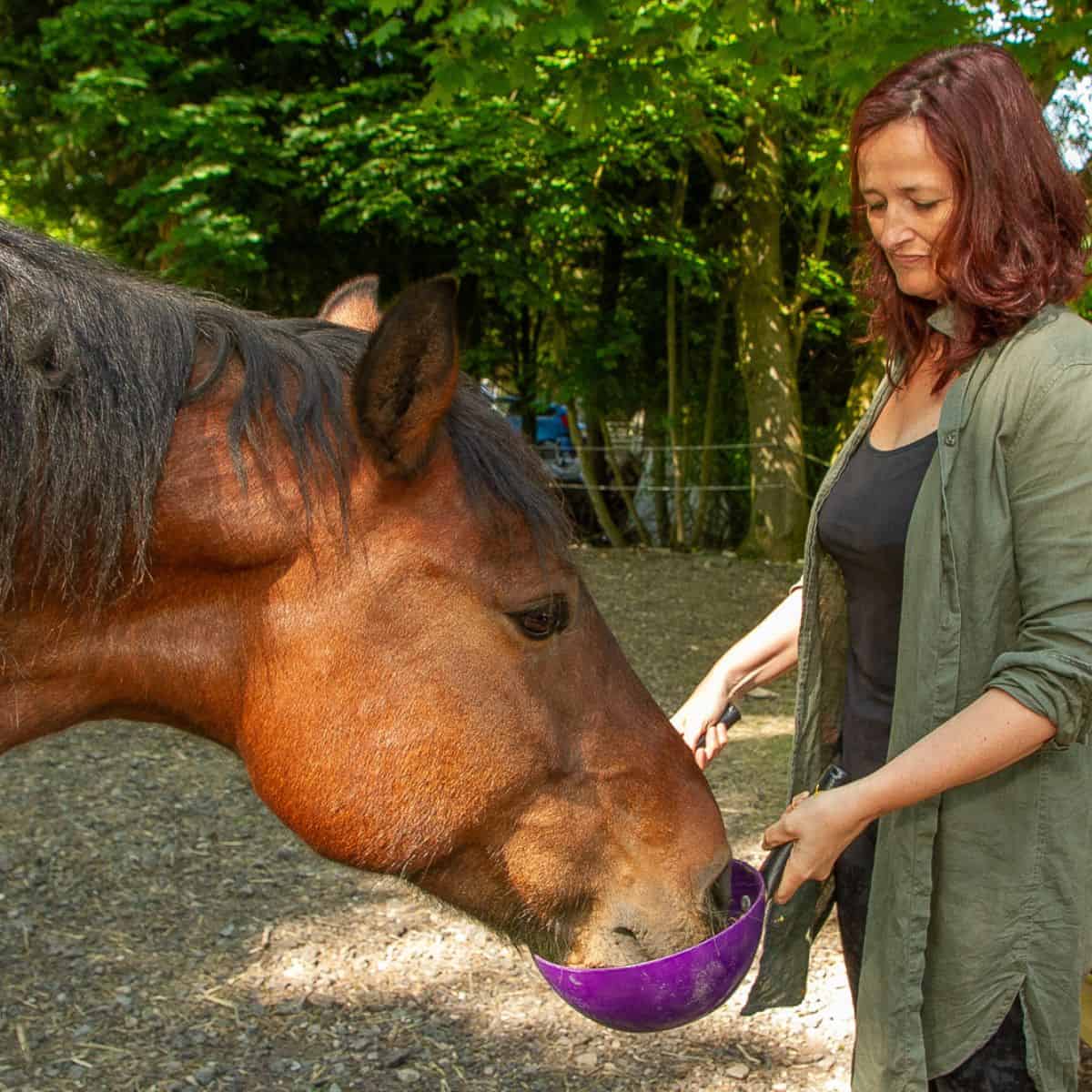
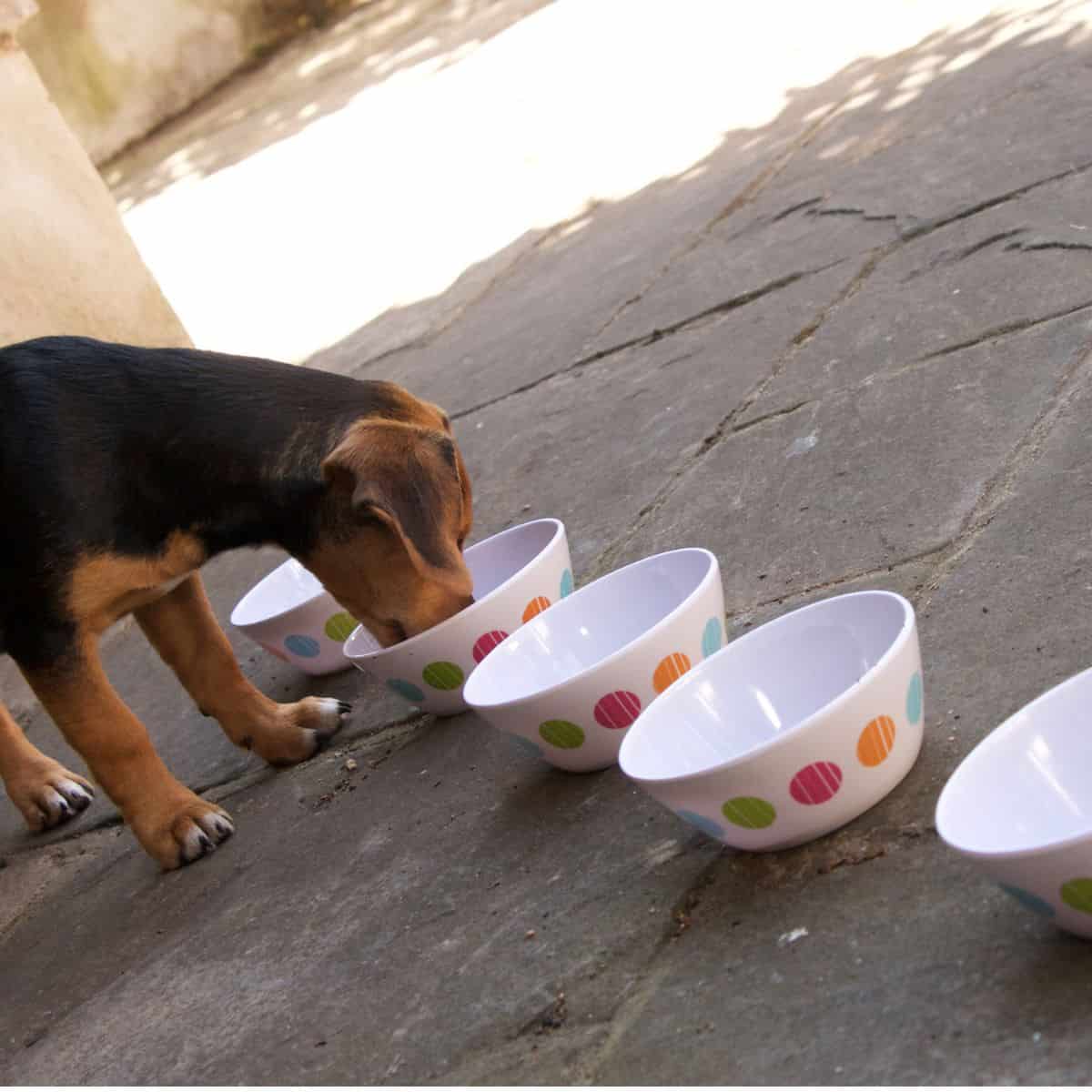
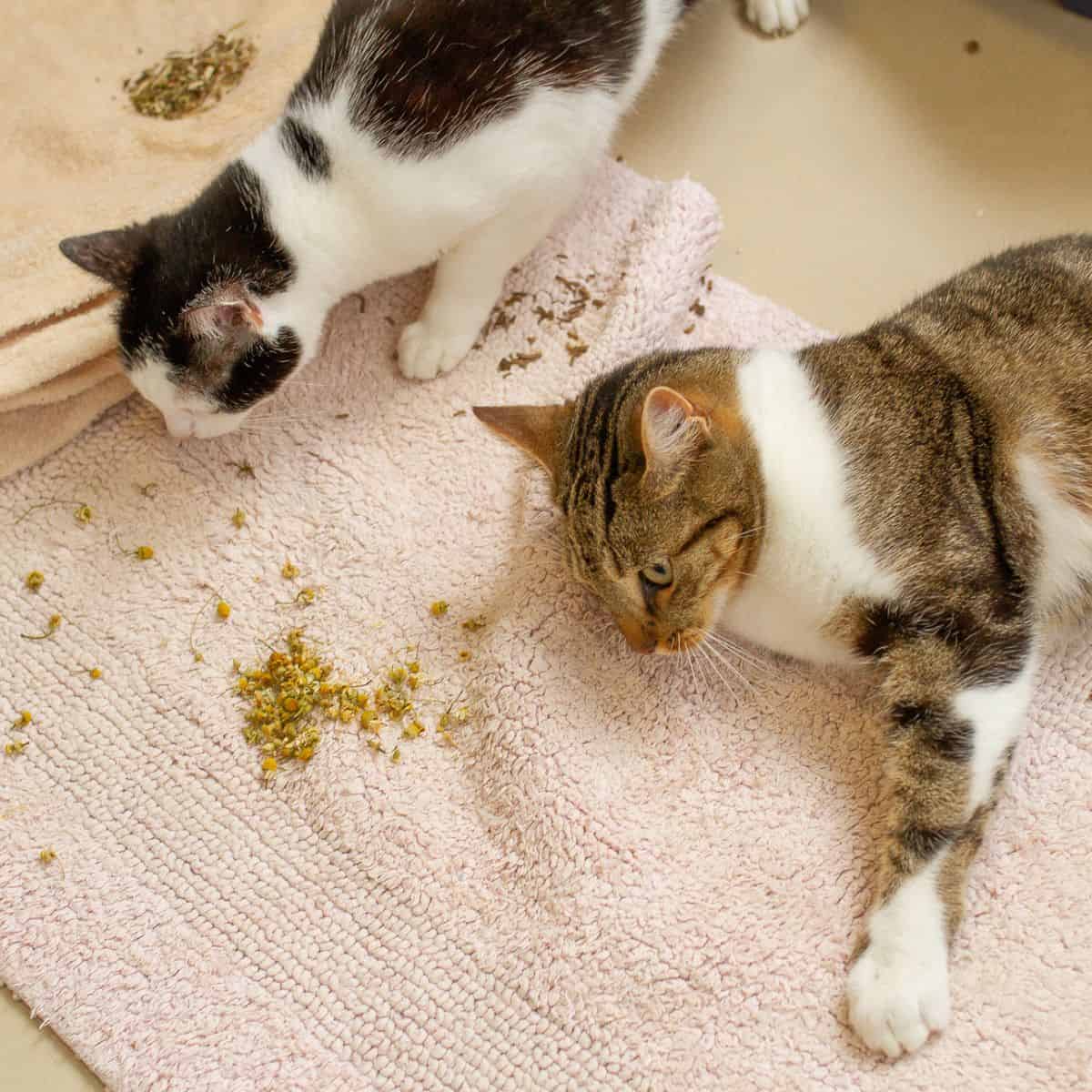
Offer a small amount in your palm or place several options on a mat, allowing space between each of the herbs. If they show no interest in a dry powder, try mixing a little in water as some animals prefer it this way.
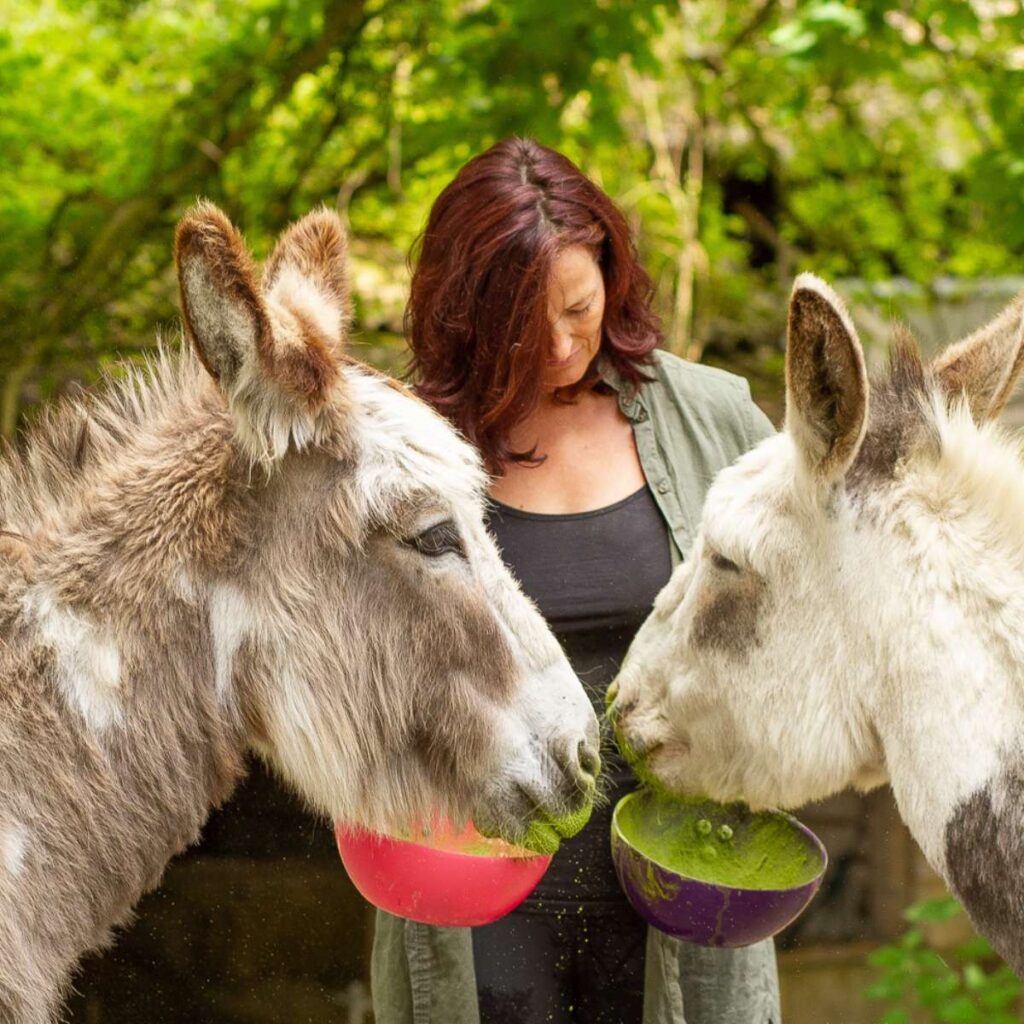
Dogs and cats may choose to ingest or roll in some of the herbs, so make sure you create enough space for them to do so. Horses, offer the herbs from individual scoops so they can choose the order. You may need more than one pair of hands!
Continuing the work
Once they have chosen the plant extracts they feel they need, you can offer those daily.
They will continue to select their chosen extracts for as long as they need them. This might be a day or two, or it might be months. Continue offering for as long as they continue to say yes, and listen when they say they’ve had enough.
Every animal is different and will respond in their own unique way. The more you do this, the more fluent you will become in understanding their responses.
Important to note:
Cats and essential oils
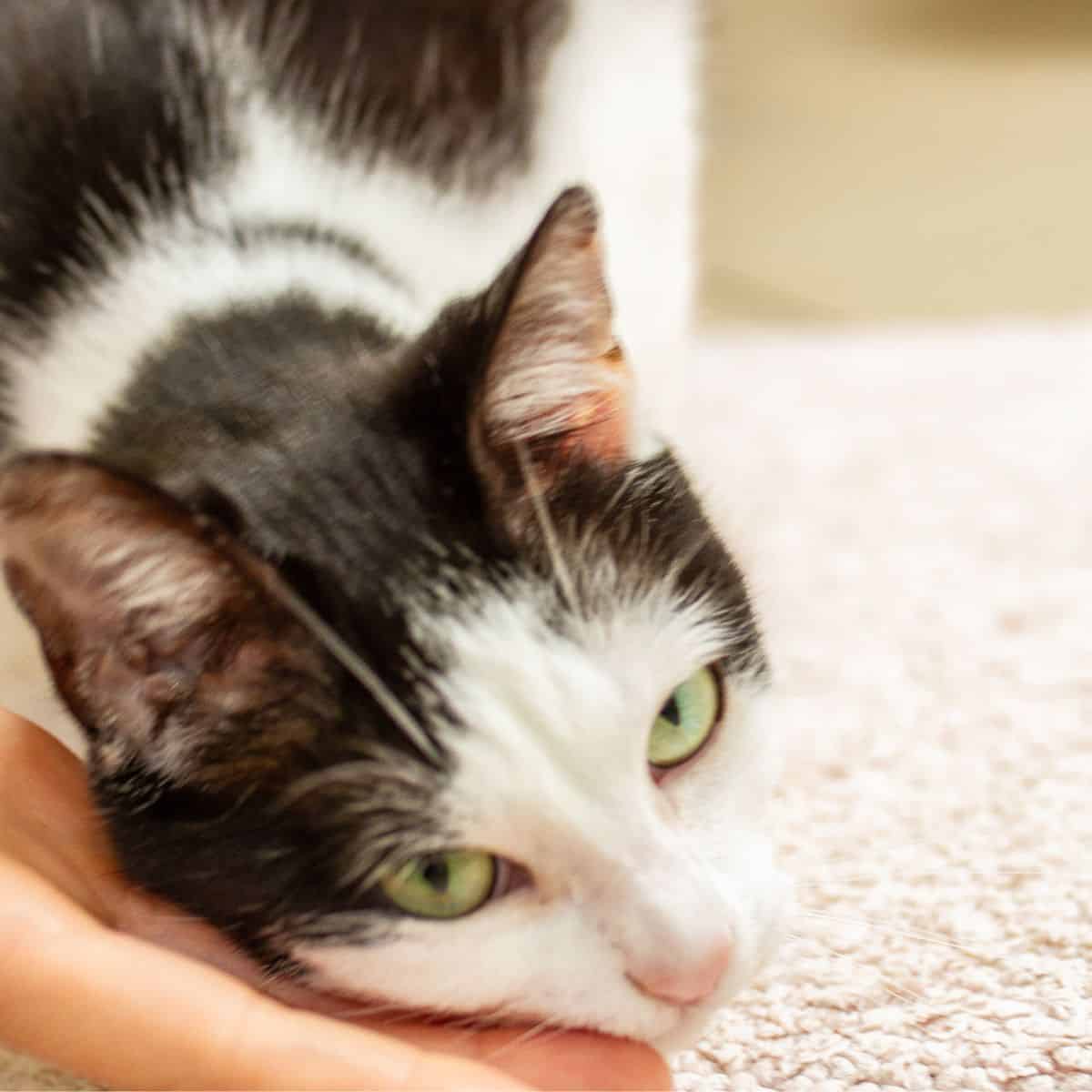
Cats are special in this context, and extra care is needed. Cats should only ever inhale essential oils never have them applied directly to their coat or body, and never take them internally. This is because cats have lower levels of certain liver enzymes, which means some chemical constituents can build up to toxic levels in their system.
Even with inhalation, choice is everything. Cats must always be free to move away. When offering an essential oil to a cat, make sure your hand fully encloses the bottle and its lid as you don’t want them to rub against the bottle and accidentally get oil on their coat.
Hydrosols are safe for cats to inhale, lick and roll in.
Pregnant animals
Pregnancy is a unique physiological state. Always seek professional advice before offering plant extracts to a pregnant animal.
Animals with difficulty breaking down fats
If your animal has any history of pancreatitis or difficulty processing fats, consult your vet before offering macerated oils. Always be cautious with the amount offered.
Veterinary care
Self-selection is a powerful support for your animal’s health and wellbeing, but it is not a substitute for veterinary care. Always seek appropriate professional advice when needed.
Would you like more support?
These are general guidelines to get you started. If you’d like more personalised guidance whether you’re unsure which products to begin with, or you’d like support working with your animal companion, you can explore working together in more depth through my dedicated services site: Rachelknott.com